How to Start an LLC in the USA: Step-by-Step Guide (2026)

How to Start an LLC in the USA
Starting a business in the United States does not require US citizenship. In fact, thousands of immigrants and non-residents form LLCs every year.
To start an LLC in the USA, choose a state, select a business name, file Articles of Organization, obtain an EIN from the IRS, open a business bank account, and understand your tax obligations. US citizenship is not required to form an LLC.
If you are new to the US or planning to launch a business remotely, you can legally create a Limited Liability Company, even without a Green Card. The process is straightforward once you understand the steps.
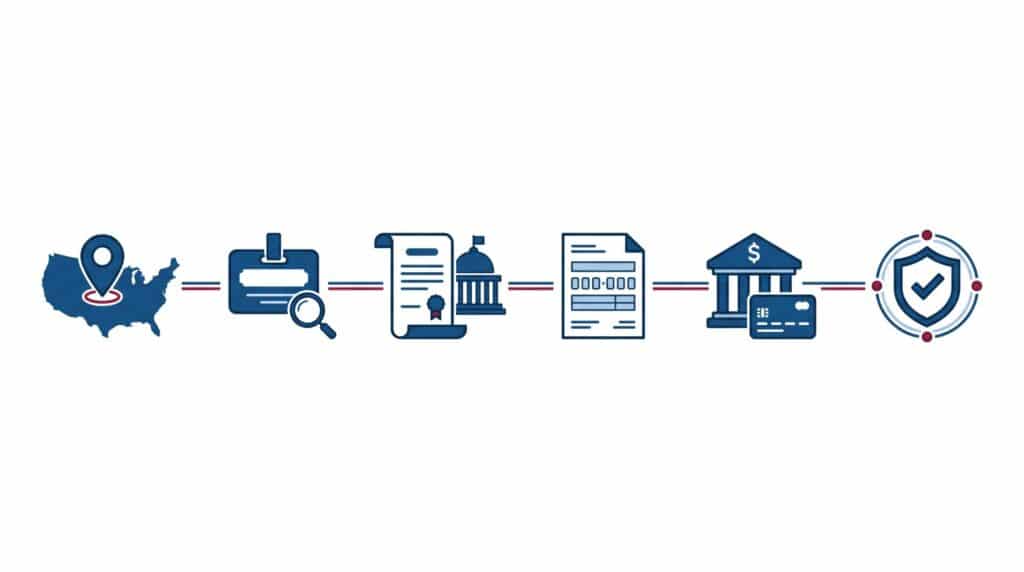
At a high level, starting an LLC in the USA involves:
- Choosing a state
- Selecting a business name
- Filing formation documents
- Getting an EIN from the IRS
- Opening a business bank account
- Understanding your tax responsibilities
This guide explains each step clearly, with specific notes for immigrants and non-residents.
What Is an LLC?
LLC stands for Limited Liability Company.
It is a legal business structure that separates your personal assets from your business liabilities. This means that, in most cases, your personal savings, home, or property are protected if the business incurs debts or faces legal claims.
LLCs are popular because they combine:
- Liability protection
- Flexible tax treatment
- Relatively simple compliance requirements
An LLC can have:
- One owner (single-member LLC)
- Multiple owners (multi-member LLC)
Unlike corporations, LLCs generally involve less administrative complexity. There are no mandatory shareholder meetings or complex corporate formalities in most states.
For small business owners, freelancers, consultants, e-commerce sellers, and startups, an LLC is often the default choice.
Can Immigrants or Non-Residents Start an LLC in the USA?
Yes. US citizenship is not required to form an LLC.

You do not need:
- A Green Card
- A US passport
- A US visa (to form the company itself)
However, forming an LLC is different from having authorization to work in the United States. If you plan to operate physically in the US, visa status may still matter for employment and immigration compliance.
From a legal formation perspective, non-residents can:
- Own 100% of a US LLC
- Be the sole member
- Form an LLC remotely
You also do not always need a Social Security Number to form an LLC. Instead, you will later apply for an Employer Identification Number (EIN) from the IRS, which is used for tax and banking purposes.
Many online businesses, e-commerce sellers, and digital service providers form US LLCs even while living abroad.
The key considerations for immigrants are:
- Which state to choose
- How taxes will apply
- How to open a US business bank account
- Ongoing compliance requirements
Understanding these elements before filing can prevent costly mistakes later.
Step 1: Choose a State for Your LLC
One of the most common mistakes new entrepreneurs make is choosing a state based only on internet advice.
You will often hear that Delaware or Wyoming is “the best state” for forming an LLC. The truth is more nuanced.
The best state depends on where and how you operate your business.
If You Live in the United States
If you physically live and operate in a specific state, the simplest option is usually to form your LLC in your home state.
Why?
Because if you form your LLC in one state but operate in another, you may need to:
- Register as a foreign LLC in your home state
- Pay additional fees
- File extra paperwork
- Maintain compliance in two states
For example, if you live in Texas and form your LLC in Delaware, you may still need to register in Texas as a foreign entity.
In many cases, that removes any perceived benefit.
If You Are a Non-Resident Living Abroad
If you do not live in the United States and are forming an LLC remotely, the decision becomes more strategic.

Common choices include:
Wyoming
- Low annual fees
- No state income tax
- Simple compliance
Delaware
- Well-established legal system
- Popular for startups seeking investors
- Strong business reputation
For small online businesses and solo founders, Wyoming is often chosen for simplicity and lower ongoing costs.
For startups planning to raise venture capital, Delaware is commonly preferred.
Key Factors to Compare
Before choosing a state, evaluate:
- Formation filing fee
- Annual report fee
- State income tax
- Franchise tax rules
- Privacy rules
- Registered agent requirements
Choosing a state should be based on your business model, not popularity.
Step 2: Choose a Business Name
Once you decide on a state, the next step is selecting your LLC name.
Your business name must:
- Be unique within the state
- Include “LLC” or “Limited Liability Company”
- Not conflict with existing registered businesses
Each state provides an online database where you can check name availability.
You may also want to:
- Check domain availability
- Search for existing trademarks
- Secure social media handles
Even if your LLC is small, choosing a clean and professional name helps with branding and banking approval.
Step 3: File Articles of Organization
To officially create your LLC, you must file formation documents with the state.
These documents are usually called:
Articles of Organization
The filing process typically includes:
- Your LLC name
- Registered agent information
- Business address
- Member or manager structure
You can file:
- Directly through the state’s official website
- Through a formation service
- Through an attorney
Filing fees vary by state. Some states process filings within days. Others may take longer unless expedited processing is requested.
Once approved, your LLC legally exists.
Step 4: Get an EIN from the IRS
After your LLC is approved, the next essential step is obtaining an Employer Identification Number (EIN).
An EIN is issued by the Internal Revenue Service (IRS). It functions like a tax ID number for your business.
You need an EIN to:
- Open a business bank account
- File federal tax returns
- Hire employees (if applicable)
- Process payments through many financial platforms
Even if you are the only owner of a single-member LLC, an EIN is usually required for banking and tax purposes.
Do You Need an SSN to Get an EIN?
Not necessarily.
US residents with a Social Security Number can apply for an EIN online directly through the IRS website.
Non-residents without an SSN can still obtain an EIN, but the process may require:
- Filing Form SS-4
- Submitting by fax or mail
- Working with a formation service in some cases
The EIN itself is free. The IRS does not charge for issuing one.
Once issued, your EIN becomes the primary identification number for your LLC.
Step 5: Open a Business Bank Account
After receiving your EIN, you can open a US business checking account.
Banks typically require:
- Approved Articles of Organization
- EIN confirmation letter
- Operating agreement (sometimes)
- Valid identification
If you are physically present in the US, you may be able to open an account at a traditional bank branch.
If you are a non-resident or prefer remote setup, certain online banks offer fully digital onboarding.
Choosing the right bank structure is important. Some banks have monthly maintenance fees, minimum balance requirements, or transaction limits.
Keeping business finances separate from personal accounts is critical for:
- Maintaining liability protection
- Simplifying tax reporting
- Building business credit
Step 6: Understand Your Tax Responsibilities
Forming an LLC does not eliminate taxes. It changes how they are structured.
By default:
- A single-member LLC is treated as a “disregarded entity” for federal tax purposes
- A multi-member LLC is treated as a partnership
LLCs do not automatically pay corporate tax unless you elect corporate taxation.
Depending on your situation, you may owe:
- Federal income tax
- Self-employment tax
- State income tax
- Sales tax (if applicable)
If you are a non-resident, US tax obligations depend on whether your income is considered effectively connected with US trade or business.
Understanding tax classification early prevents compliance issues later.
How Much Does It Cost to Start an LLC in the USA?
The cost of forming an LLC varies by state.
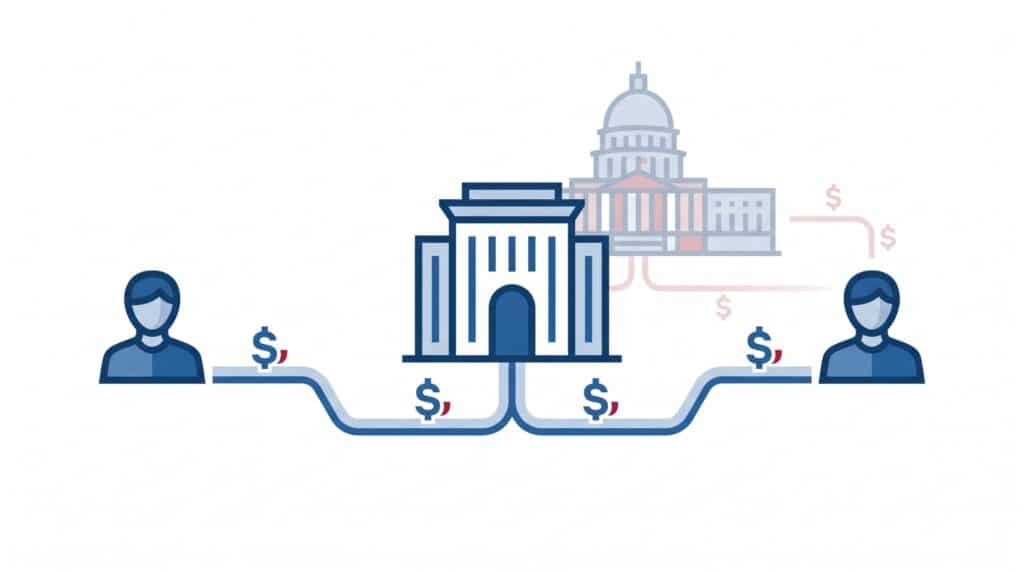
You should expect the following potential expenses:
State filing fee
This is the main cost. It varies significantly depending on the state.
Registered agent fee
If you do not have a physical address in the state, you must use a registered agent. This is common for non-residents.
Annual report fee
Most states require an annual report or renewal filing.
Optional formation services
Many entrepreneurs use third-party services for convenience, but this is not legally required.
The total cost depends largely on the state you choose and whether you handle the process yourself or outsource it.
How Long Does It Take to Form an LLC?
Processing time depends on:
- The state
- Current filing volume
- Whether expedited processing is requested
Some states approve LLCs within a few business days. Others may take several weeks under standard processing.
If you need faster approval, many states offer expedited filing for an additional fee.
After formation, obtaining an EIN can be immediate (if eligible for online filing) or may take additional time for non-residents.
Common Mistakes to Avoid
Starting an LLC is straightforward, but mistakes can create compliance problems.
Choosing the wrong state
Forming in a state where you do not operate can create additional registration requirements.
Ignoring annual compliance
Failure to file annual reports can result in penalties or administrative dissolution.
Mixing personal and business finances
Using a personal account for business activity can weaken liability protection.
Not understanding tax obligations
LLCs do not automatically eliminate tax responsibilities.
Assuming immigration status and business formation are the same
Forming an LLC does not grant work authorization or immigration status.
Avoiding these errors keeps your business legally protected and operational.
Frequently Asked Questions
Can a non-resident start an LLC in the USA?
Yes. US citizenship and residency are not required to form an LLC.
Do I need an SSN to start an LLC?
No. You can form an LLC without an SSN. However, you will need an EIN for tax and banking purposes.
Which state is best to form an LLC?
The best state depends on where you operate and your business model. In many cases, forming in your home state is simplest.
How much tax does an LLC pay?
LLCs are pass-through entities by default. Taxes depend on federal, state, and individual income rules.
Can I open an LLC remotely?
Yes. Many states allow remote formation and digital filing.
To conclude
Starting an LLC in the USA is legally accessible to both residents and non-residents. The process is structured, predictable, and manageable if you follow the steps carefully.
Choosing the right state, understanding tax obligations, and maintaining proper compliance are more important than speed.
For many immigrants and first-time entrepreneurs, forming an LLC is the foundation for building a business presence in the United States.
Keywords
- How to start an LLC in the USA
- Start LLC USA 2026
- Can immigrants start an LLC
- Form an LLC as non resident
- LLC formation process USA
- LLC cost USA
- How to get EIN for LLC
- Open LLC remotely USA